Daddy Bee: A Handwritten Font That Elevates Small Business Branding
Choosing the Right Typeface for a Bakery’s New Packaging
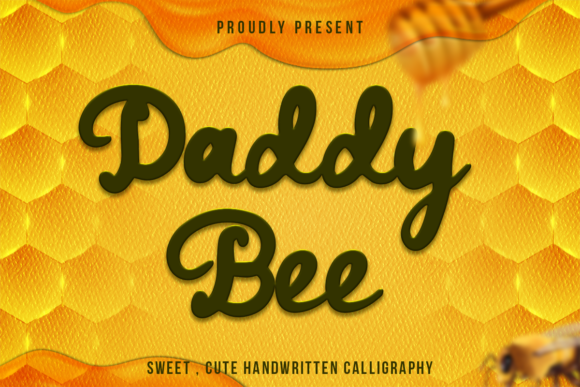
As a creative consultant who works with small businesses on branding, I recently helped a local bakery refresh their packaging. They wanted something that felt warm, personal, and a little playful—without looking amateurish. Typography plays a big role in how customers perceive your brand, and we landed on Daddy Bee, a bold and cute handwritten font. It’s the kind of typeface that feels like a handwritten note from a friend, yet still holds up in a professional setting.
What Makes Daddy Bee Stand Out
Daddy Bee is a Script Amp font with a charming, casual vibe. It’s clearly inspired by natural handwriting, but with enough polish to work in commercial design. The letters have a confident weight, which makes them easy to read even at small sizes. The font has a friendly, approachable personality—perfect for brands that want to feel personable without sacrificing professionalism.
It’s not overly stylized like some script fonts that become hard to read or look too “cutesy.” Instead, Daddy Bee strikes a balance between boldness and softness. You can use it confidently in printed materials like product labels, packaging, or business cards, and it still reads clearly on digital platforms like Instagram stories or Shopify banners.
Real-World Use: Bakery Boxes and Thank-You Cards
For the bakery, we used Daddy Bee on their new custom box labels and thank-you cards. The result was instantly more cohesive and memorable. Customers loved the personal touch, especially on the thank-you cards—handwritten-style text made it feel like a genuine gesture rather than a generic note.
On the packaging, Daddy Bee held up well even when printed in a smaller size. We made sure to test it on mockups first, and it remained legible and clean. The bakery also added a secondary font for supporting text—something clean and modern like a sans serif—to create visual hierarchy without clashing.
Where Daddy Bee Works Best
This font shines in short bursts of text. It’s ideal for headlines, logo design, packaging titles, and decorative accents. It doesn’t work well for long paragraphs, but that’s not what it’s designed for. Think of it as a display font that adds character and warmth to your brand visuals.
- Logo design – Perfect for a boutique, café, or handmade brand looking for a hand-crafted feel
- Product labels – Especially effective for food packaging, candles, and skincare products
- Business cards & thank-you notes – Adds a personal, memorable touch
- Social media graphics – Works great in Instagram stories, Pinterest pins, and TikTok overlays
- Website banners & online shop visuals – Helps maintain a consistent brand identity across digital platforms
Typography Matters More Than You Think
Many small business owners underestimate how much typography influences customer perception. A well-chosen font like Daddy Bee can make your brand feel more trustworthy, polished, and unique. It helps build consistency across different materials—whether it’s a physical product label or a digital ad.
Typography also affects readability and engagement. When text is easy to read and visually appealing, people are more likely to stop, read, and remember it. That’s especially important for social media thumbnails and product packaging, where first impressions count.
Pairing Daddy Bee With Other Fonts
One of the best things about Daddy Bee is how well it pairs with other fonts. For a clean, modern contrast, try combining it with a minimalist sans serif like Montserrat or Lato. If you want to lean into the handwritten aesthetic, pair it with a lighter script font for subheadings or accents.
We used a soft serif font as a secondary typeface for the bakery’s menu cards and it worked beautifully. The contrast gave the design more depth without overwhelming the eye. The key is to keep the pairing simple and intentional—don’t overdo it with too many different fonts.
What to Check Before Using Daddy Bee
Before you use Daddy Bee in your branding materials, always check the font’s licensing. Make sure it includes commercial use, especially if you’re selling products or creating templates for clients. Also, verify that the font package includes multiple styles, alternates, ligatures, and multilingual support if needed.
Most premium fonts like Daddy Bee come with OpenType features that let you customize the look—swashes, stylistic alternates, and more. These can add extra flair to logos or headlines. Just be careful not to overuse them in customer-facing materials where clarity is key.